


Picking the right platform for your eCommerce website might be the most crucial decision you ever make as an entrepreneur. In 2026, the Shopify vs. WooCommerce dilemma is still highly pertinent especially if you’re just starting to venture into eCommerce.
Both platforms are equally strong, reputable, and versatile, capable of handling both small startups and big enterprises. But they vary in terms of ease of use, pricing, flexibility, and scalability.
The wrong choice will leave you with:
• Unnecessary complications
• High operational costs
• Limited flexibility or scalability
And this extensive guide will help you fully grasp the distinctions between them and pick the right platform.
SEO Meta Description
Shopify vs WooCommerce in 2026: Compare pricing, ease of use, flexibility, features, and scalability to find the best eCommerce platform for your online business.
Quick Verdict
Go for Shopify if you:
o Need simplicity and convenience
o Can build a website without any technical expertise
o Want reliable performance and customer support
• Consider WooCommerce if you:
o Need full control over your website
o Require advanced customization options
o Prefer lower operational expenses
Conclusion:
• Beginners –> Shopify
• Professionals –> WooCommerce
• Sites optimized for SEO –> WooCommerce
Consider using Canva for free.
Overview: Shopify vs WooCommerce
🛒 Shopify Defined
Shopify is a hosted eCommerce platform that delivers everything you need in one package, including hosting, security, design, and payment processing.
You don’t have to stress about technicalities since Shopify will handle:
• Website hosting
• Security updates
• Server maintenance
Shopify is perfect for those who aren’t tech-savvy.

🧩 WooCommerce Defined
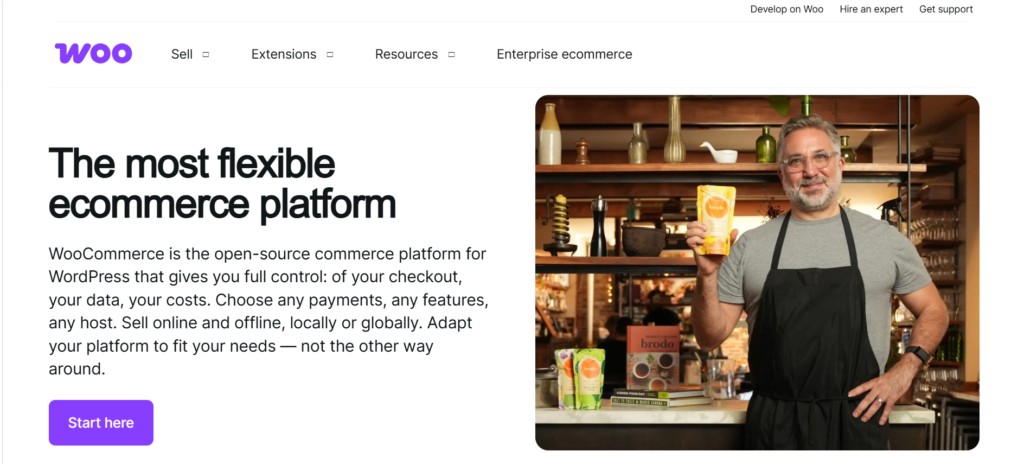
WooCommerce is an open-source plugin that transforms any WordPress site into a full-fledged eCommerce store.
Unlike Shopify, WooCommerce necessitates managing:
• Hosting
• Security
• Upgrades
However, WooCommerce gives you full control over your store.
Feature-wise Comparison
1. Ease of Use
Shopify
Shopify is user-friendly. It allows you to:
• Register
• Select a template
• Add products
• Begin selling
Within a couple of hours.
It’s straightforward to use with drag-and-drop functionality that needs no coding skills.
WooCommerce
WooCommerce is more challenging to use since you’ll have to:
• Setup WordPress
• Hire hosting services
• Install several plugins
Despite being moderately difficult, you still need basic tech know-how.
2. Templates & Design
Shopify
Shopify offers:
• Professionally designed themes
• Mobile-ready design
• Modern user interface
However:
• Most premium themes are paid
• Limited customization possibilities
WooCommerce
WordPress-based WooCommerce offers:
• Lots of free and premium themes
• Unlimited customization
• Total design control
You can customize everything on your site.
3. SEO Features
Shopify
Shopify gives you:
• SEO tools
• Easily customizable meta tags
• Fast load times
Yet, it’s not great at:
• Managing URL structures
• Customizing SEO settings
WooCommerce
WooCommerce is good at SEO due to:
• Its use of WordPress
• Various plugins like Yoast SEO
• Control over URL structure, metadata, and content
4. Integrations & Plugins
Shopify
Shopify App Store offers:
• Marketing, payment gateways, shipping, etc.
Apps are easy to integrate yet cost monthly fees.
WooCommerce
WooCommerce works well with:
• More than 50,000 WordPress plugins
• A variety of marketing, SEO, and analytical tools
Plugins are powerful yet demanding.
5. Blogging
Shopify
Shopify has a basic blogging system that suits:
• Generic site maintenance
• Product related posts
But it has no complex content management.
WooCommerce
Thanks to being built on WordPress, WooCommerce allows to:
• Write high-quality blog articles
• Optimize content for better rankings
• Establish yourself as an authority in your niche
Comparison of Prices
Shopify Prices (2026)
• Basic Plan: ~$39/month
• Shopify Plan: ~$105/month
• Advanced Plan: ~$399/month
Plus:
• Paid themes
• Apps
• Fees for transactions
Prices of WooCommerce
WooCommerce is free by itself, but it includes:
• Hosting: ~$5–$30/month
• Domain name: ~$10 per year
• Optional premium plugins/themes
Main Takeaway:
WooCommerce seems more affordable at first but may become more expensive with additional functionality.
Winner: WooCommerce (affordability)
Performance & Speed
Shopify
• Well-configured servers
• High reliability
• Great uptime
No need to think about the speed.
WooCommerce
Depends on:
• Hosting company
• Your website’s performance
If you have a reliable hosting company, WooCommerce will work just as fast.
Winner: Shopify (speed reliability)
Comparison Table
| Feature | Shopify | WooCommerce |
| Ease of Use | Very Easy | Moderate |
| Pricing | Monthly cost | Flexible |
| Best For | Beginners | Advanced users |
| SEO | Good | Excellent |
| Customization | Limited | Unlimited |
| Setup Time | Fast | Slower |
| Maintenance | None | Required |
Pros & Cons
Pros of Shopify
• Easy to start using
• Quick setup
• Cheap one-click solution
• Outstanding support
Cons of Shopify
• Monthly subscriptions
• Low customizability
• Money for apps
Pros of WooCommerce
• Complete ownership
• Highly customizable
• Great SEO options
• Lower costs in the future
Cons of WooCommerce
• Necessity to have some tech skills
• Need to maintain the site
• Safety concerns
Consider tryingAdobe Express.
Recommendations for Use Cases
Go for Shopify when:
• This is your first online store
• You prefer simplicity and speed
• The technical aspect doesn’t matter much for you
Try Shopify for free and see for yourself!
Choose WooCommerce when:
• Full control is necessary
• You want to focus on content marketing
• You have technical skills (or access to them)
Go for WooCommerce if freedom and scalability matter to you.
Professional Advice (First-hand Experience)
Given that I worked with many entrepreneurs, trainers, and digital business owners, here’s what I can say:
• Shopify is the way to go for quick implementation
o Particularly for dropshipping and other small retail stores
• WooCommerce is the right option for strategic planning
o Particularly for educational platforms, consulting companies, SEO-friendly sites
Here are examples:
• Educational institution → WooCommerce (content + SEO factor)
• Beginner eCommerce store → Shopify (simplicity)
What Platform Should You Choose? The Right Choice
Beginners
• You need zero technical knowledge
• Results come faster
• Low risk of failure
Professionals and developers
• Customization available
• Many useful features included
• Scalability
SEO & Content Strategy
Select WooCommerce
• Better blogging capabilities
• Better ranking opportunities
Final Decision: Shopify vs WooCommerce (2026)
The question of Shopify vs WooCommerce all boils down to your preferences.
• If you prioritize simplicity, speed, and dependability, then Shopify is your best option.
• If you prioritize flexibility and control, then WooCommerce will be better suited for you.
No single solution works for everyone, but there definitely is one for you.
Final Decision
When launching an online store in 2026:
Start with Shopify to prove that your concept works
As you grow your business:
Migrate to WooCommerce for greater control and scalability