




Today, starting a small business without having a website is equivalent to launching a shop without a signboard. However, making a decision about which web builder to select is an enormous issue for numerous entrepreneurs, freelancers, and startups due to the availability of multiple options that promise convenience, effectiveness, and rapid success but are not always relevant to your needs.
Some web builders are easy and convenient but not scalable; others are highly flexible and effective yet require some time and technical resources to operate. Making the wrong decision initially will only cost you more in redesigning, optimizing, or monetizing your website later on.
This article presents an overview of the best web builders for your small business, adopting a pragmatic and experience-based approach based on my work with students, professionals, and consultancy clients.
Website Builder and Its Importance for Small Businesses
Website builders are not just applications which allow users to create pages. Website builders lay the foundation for your online success. Your choice will define such things as:
• Ability to perform well in search engines like Google;
• Speed of your website and user experience;
• Monetization potential via advertisements or selling services and products;
• Future scalability opportunities.
Based on my personal experience of teaching and web consulting, small business owners often overlook the importance of growth potential. Simplicity is great, but you should consider where your business may stand one to three years down the road.
1. Wix – Ideal for Beginners and Quick Setup
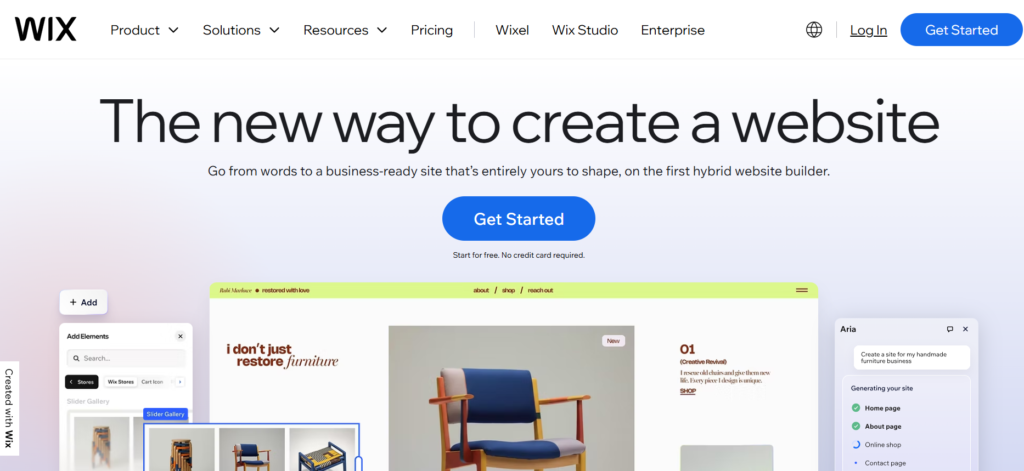
Wix has been known for its ease of use and flexibility of visual design. This is one of the simplest platforms to use if you want to make a professional-looking website but have no coding skills.
Wix has a drag-and-drop builder that enables you to customize all elements of your website. There are hundreds of professionally-designed templates for various industries, and you can easily drag them to your site.
Advantages of Wix
There are a few things that distinguish Wix from other platforms. First of all, it is very convenient and accessible. You can make your website working in just a couple of hours. If you urgently need a website for your small business, like being a consultant or an agency owner, you’ll appreciate this platform.
One more important thing about Wix is that it comes with SEO and marketing features. So, if you don’t have a lot of experience in creating websites, Wix can help you do most of the things with just one tool.
Limitations of Wix
Still, there are certain limitations. If your website becomes too large, it becomes harder to maintain and optimize your site on Wix.
2. Shopify – Best for E-commerce Businesses
In case you plan to operate in the sphere of e-commerce, Shopify will be the best option for your needs. It stands apart from other website builders because it is specialized for e-commerce.
It means that you will have all tools needed for managing your online store, such as a product catalog, payments, inventory control, etc.

Advantages of Shopify
Shopify provides convenient opportunities for setting up and running your online store. You don’t even need any previous experience for creating your professional website.
Also, you will enjoy the top-notch level of security and reliability provided by the service. This will be useful for dealing with customer payments.
Finally, Shopify is highly scalable. You can start from scratch and build up your business without any problems.
Disadvantages
The main limitation of the platform will be its price, which includes subscriptions and additional costs associated with apps.
Besides, the level of customization can also become a problem unless you pay for premium themes or develop them with the help of experts.
In my experience, companies that deal with tangible or digital products greatly profit from the help of Shopify, particularly if efficiency is their priority rather than customization.
Start using Shopify if your business approach is based on the sale of goods online.
3. WordPress.com (and WordPress.org) – Best for SEO, Blogging, and Long-term Growth
WordPress is one of the most popular websites available. It is specifically made for companies whose work is based on SEO, content generation, and online progress.
There are two types: hosted WordPress.com and self-hosted WordPress.org. In business terms, the latter option is preferred as it allows you to manage everything on your own.

Main Advantages
First of all, flexibility. You can develop various websites including e-commerce or a regular blog page.
Secondly, WordPress provides incomparable SEO options which are essential for online success.
Finally, this platform allows for scalability. As your company progresses, you will be able to expand your website in no time at all.
Limitations
Using WordPress has some initial difficulties. It can prove to be challenging for newbies because it is harder than using Wix or Weebly.
It also needs hosting services and some technical setup, particularly when using WordPress.org.
Yet, from my own teaching experience, those people who will take time to learn WordPress will surely enjoy many benefits from doing so, particularly in affiliate marketing and AdSense revenue.
Learn WordPress if you are dedicated to becoming a successful online entrepreneur.
4. Squarespace – Best for Design and Branding
Squarespace is famous for its great templates and stunning designs. Squarespace suits companies which value design and branding, such as photographers, designers, and agencies.

Advantages
Squarespace features beautiful templates which need little customizing. Without any design background, you can still build an elegant website.
Another benefit of Squarespace is that it’s an all-in-one tool, where you’ll get everything you need, including hosting, protection, and stats.
Disadvantages
Squarespace, however great it is when it comes to design, doesn’t provide as many opportunities for customization as WordPress does.
Based on my personal experience, Squarespace is good for business owners who prefer design over technical features.
If you want a beautiful web site that will enhance your brand image, go for Squarespace.
5. Weebly – Best Website Builder For Simple Small Businesses
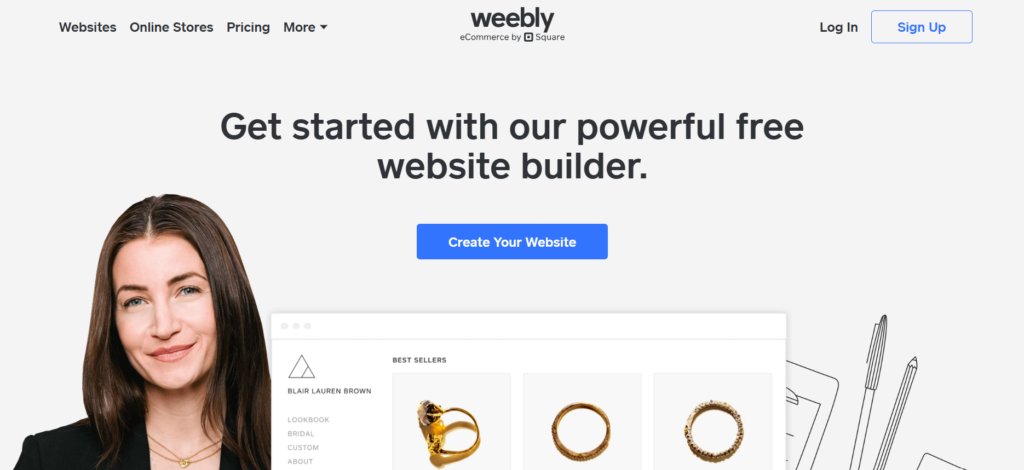
Weebly is a rather uncomplicated website builder that is appropriate for use by small businesses. It is easy to operate with its drag-and-drop capability.
Strengths
Weebly is one of the most user-friendly website builders out there. Besides, it is cheap and thus suitable for startups.
Weaknesses
But then, Weebly is not versatile enough. This website builder is also not fit for scaling businesses.
From experience in my consultancy firm, Weebly is the site builder I recommend for small-scale projects.
Get started using Weebly for your simple websites.
Comparison Table: Best Website Builders for Small Businesses
| Platform | Starting Price | Best For | Ease of Use | Scalability |
| Wix | Free / Paid | Beginners | Very Easy | Medium |
| Shopify | ~$29/month | E-commerce | Easy | High |
| WordPress | Free + Hosting | SEO & Blogging | Medium | Very High |
| Squarespace | ~$16/month | Design | Easy | Medium |
| Weebly | Free / Paid | Simple Sites | Very Easy | Low |
Tips to Get the Right Website Building Platform for Your Business
The decision you make should depend on your business objectives, your skill set and your future plans.
For example, if your objective is speed and simplicity, go for either Wix or Weebly. If your aim is to sell goods online, then go for Shopify, which is the best e-commerce platform available today. If your business is based on content, then consider using WordPress.
My recommendation to all my students and business clients would be to go long term, and invest more time in learning about platforms that can scale with your growth.
Lessons Learnt from Practical Experience
From my experience in teaching and consultancy, it seems very clear that:
• The beginners always start with easy platforms such as Wix
• The growing companies always use WordPress
• The companies involved in e-commerce always use Shopify
This trend comes because the needs of the business change over time.
SEO Advice for Websites Made by Small Businesses
No matter which option you select, SEO will be crucial. Some helpful advice includes:
• Make sure you use relevant keywords
• Optimize your images and site speed
• Use high-quality and original content
• Create necessary pages (About, Contact, Privacy policy)
All this is particularly important if you want to apply to Google AdSense or affiliate programs.
Concluding Remarks
Selecting the right website builder for small businesses can be considered a strategic move. This choice needs to be compatible with your objectives, capabilities, and intentions.
• Suggest Wix if speed and simplicity are key
• Suggest Shopify if you want to sell something
• Suggest WordPress if you have big plans
• Suggest Squarespace if design is priority #1
• Suggest Weebly if you want an uncomplicated solution
Personal Recommendation from the Author: WordPress is definitely the way to go if you want to create a prosperous website.
Action Points
• Test Wix – fast and simple web design tool
• Go with WordPress if sustainability is what you aim at
The most crucial step is to get started now. Select a website builder based on your current capabilities yet never forget your long-term perspective.